
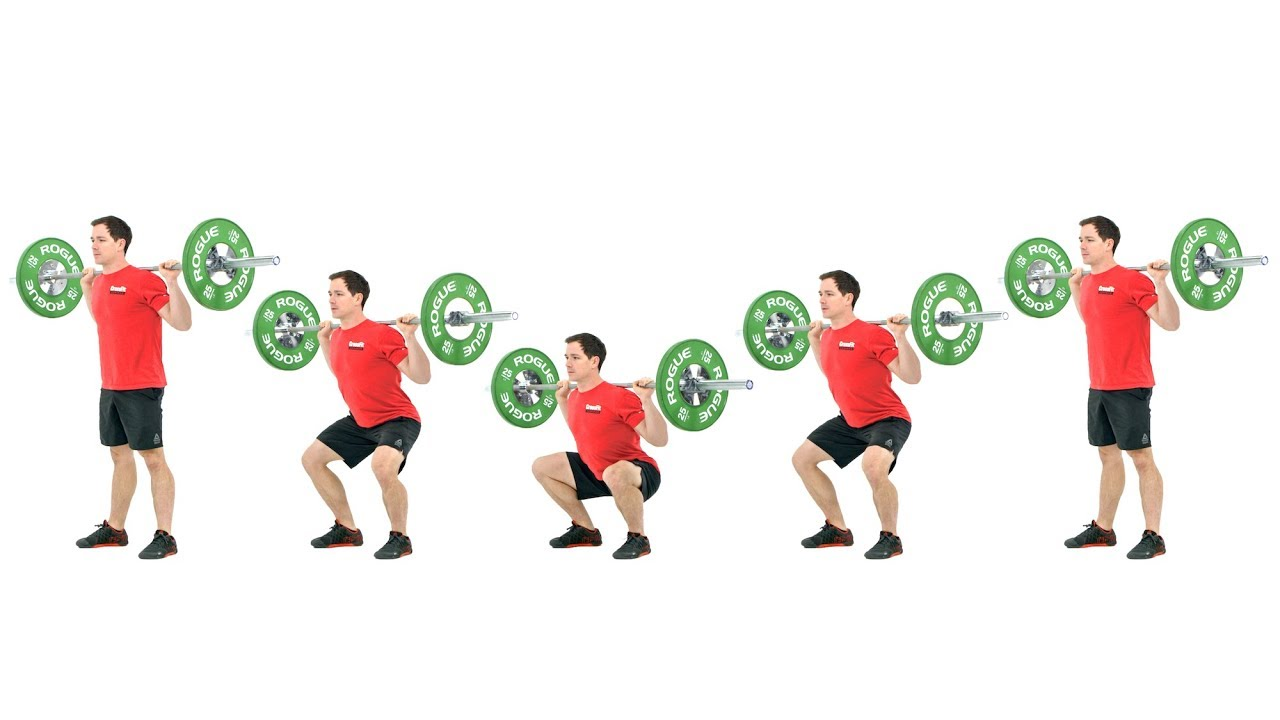
Back Squats at Instinct: Why Your Knees Hurt (and What We Fix First)
If you’ve trained long enough, you’ve probably heard something like:
“Squats are bad for your knees. Just do machines or single‑leg work instead.”
Cool story. Also wrong.
Back squats aren’t the enemy. Ugly back squats, rushed progressions, and half‑repped ego lifting are.
At Instinct, we don’t pull squats out of your program when something hurts. We find why it hurts, fix the problem, and build you back stronger.
Here’s how.
The Real Problem Isn’t the Squat – It’s How You’re Doing It
Most of the “squats wrecked my knees” stories have a few things in common:
- Straight into heavy loading before owning bodyweight and light bar work.
- Living in the top half of the squat, barely hitting depth.
- Chasing rep counts in workouts instead of good positions under control.
- Weekly pattern of: sitting, driving, sitting… then attacking heavy squats cold.
That’s not a squat problem. That’s a movement and dosage problem.
At Instinct, we treat the back squat as a skill first, a strength test second.
How We Coach Back Squats at Instinct
When someone tells us, “Squats bother my knees,” we don’t delete squats. We run a quick checklist.
1. Position: Are You Set Up to Win?
We start with three simple checkpoints:
- Stance: Slightly outside hip width, toes turned out just enough so your knees can track over your toes – not collapsing in, not rolling out.
- Brace: Big breath, ribs stacked over hips, tension before you move.
- Bar path: Bar over mid‑foot, not tipped forward onto your toes.
If your knees are sliding forward, caving in, or you’re shifting to one side, your knees are usually complaining about leverage, not “bad squats”.
2. Depth: Are You Actually Squatting?
Half reps load the knees and quads without ever teaching the hips and posterior chain to do their share.
For most people at Instinct, our coaching cue is:
“Control the way down, sit between your heels, stand tall.”
We’d rather see:
- Slightly lighter weight
- Full range of motion
than heavy, shaky half‑reps that beat up your joints and don’t build real strength.
3. Load: Have You Earned the Right to Add Weight?
If we’ve cleaned up your stance and depth and things still feel sketchy, we adjust the load and progression, not the movement:
- Bring the weight down.
- Add a small pause in the bottom to build control.
- Shorten the set before technique falls apart.
Nobody at Instinct gets bonus points for ugly grinders. We care about repeatable, sustainable squats that make you better in 6–12 months, not just this week’s whiteboard.
When We Do Change the Squat
Sometimes, the smartest move isn’t “just push through it.”
Common adjustments we use at Instinct:
- Box squats to control depth and teach tension.
- Tempo squats (e.g. 3–4 seconds down) to build strength through the whole range.
- Goblet squats to drill an upright torso and full‑body tension before loading a barbell.
We don’t call that “getting rid of squats.” We call that coaching a better squat.
The long‑term target is the same: you back squat confidently, pain‑free, and stronger than before.
How This Shows Up in Class
You’ll see this philosophy in our programming and coaching:
- We’d rather you hit fewer reps well in a workout than chase every rep at the expense of your knees and back.
- Coaches will pull your weight back if positions fall apart under fatigue, and give you a variation (box, tempo, goblet) that fits where you’re at right now.
- We watch how your squats look when you’re tired, not just in the warm‑up.
If your squat looks great fresh but falls apart in a WOD, the answer isn’t “skip squats” – it’s “build capacity and control so you can own that position all the time.”
What To Do If Your Knees Are Talking to You
If you’re thinking, “Yep, that’s me,” here’s what to do this week:
- Tell your coach.
Don’t just grind through it. At the whiteboard or in warm‑up, say:
“Hey, squats have been irritating my knees. Can you watch my set and tweak my setup?” - Earn your load.
In the strength piece, pick a weight where you can:- Control the descent.
- Hit full depth.
- Stand up without folding or shifting.
- Chase better reps, not just more reps.
In metcons:- Break sets before your form falls apart.
- Use the same cues your coach gave you in the strength work.
- Ask for a plan.
If it’s recurring, grab a coach after class:
“Can we map out 4–6 weeks to fix my squat so my knees feel solid again?”
We’d rather spend a few weeks fixing the pattern than watch you avoid one of the most powerful movements in the gym.
The Instinct Bottom Line
Squats aren’t the enemy.
Uncoached, rushed, ego‑driven squats are.
At Instinct, the back squat is a non‑negotiable part of building strong, capable humans – we just refuse to let you do it in a way that beats you up.
If your knees have been complaining, bring it up next time you’re in. We’ll watch your squat, clean up what needs fixing, and get you back to doing what squats are meant for:
Getting you stronger for life outside the gym.
Ready to Upgrade Your Fitness?
If you’re looking for the best CrossFit in Wellington, you just found it. At Instinct Fitness, we don’t just run classes—we build capable, resilient humans.
Stop guessing with your training. Book your free No-Sweat Intro today and see why we are the premier Wellington CrossFit gym.
